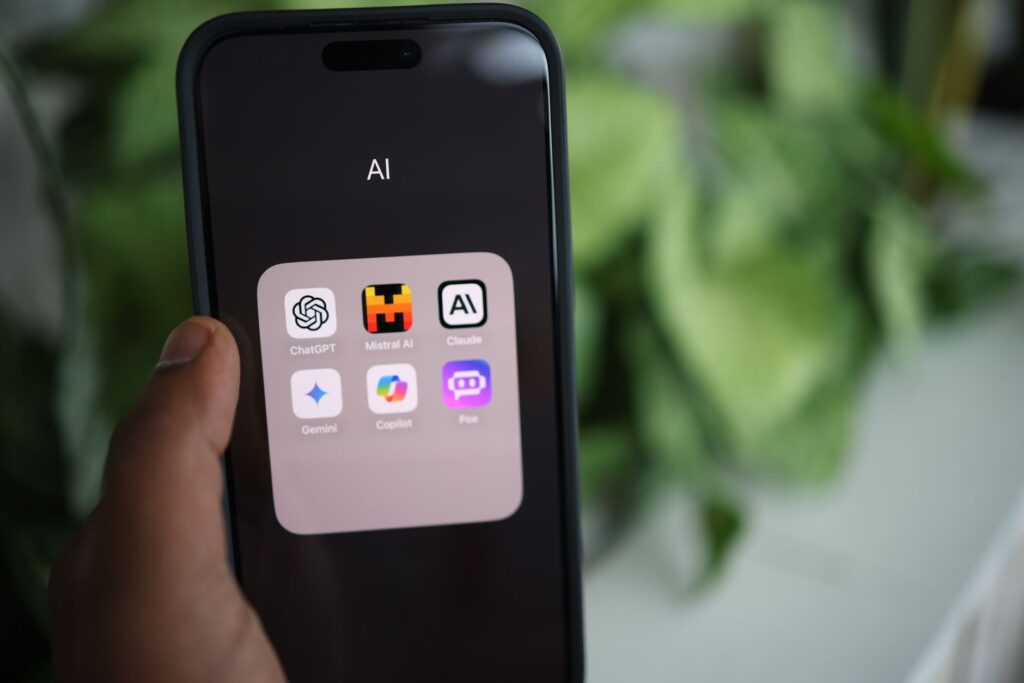
Staring at a blank page and feeling the pressure to churn out fresh, engaging material is nothing new for creators. In fact, recent surveys show that nearly 65% of marketers cite content production as their top stress point. That’s exactly why the best ai content creator toolkit for 2026 is becoming a game‑changer. In the next few minutes you’ll discover which tools actually boost productivity, how to stitch them together into a smooth workflow, and what to watch out for when building your own stack.
The best ai content creator toolkit for 2026
Not every collection of software qualifies as a true best ai content creator toolkit for 2026. The most effective kits share a few core characteristics:
- Seamless integration across different media types
- Real‑time collaboration features
- Customizable output that matches your brand voice
When a toolkit checks these boxes, you spend less time juggling menus and more time focusing on the creative spark that makes your work stand out.
Integration is the backbone
Imagine a scenario where you write a blog post, generate a matching illustration, and schedule social snippets — all without leaving your favorite editor. That frictionless experience is what modern toolkits aim for. Look for platforms that offer API access, plug‑in ecosystems, and cloud‑based syncing. For example, tools like Notion now host AI plugins that can draft, edit, and format content on the fly.
Collaboration fuels creativity
Many creators work in teams spread across time zones. A solid kit lets multiple users comment, version‑control, and approve drafts in real time. This reduces miscommunication and cuts revision cycles by up to 30% according to a 2024 Nielsen study.
Top components of a 2026 AI content stack
Let’s break down the main building blocks you’ll want in your best ai content creator toolkit for 2026. Each component tackles a specific creative need, and together they form a cohesive workflow.
Text generation & editing
Whether you need blog outlines, product descriptions, or social captions, AI writing assistants can draft and polish in seconds. Look for features such as tone sliders, keyword suggestions, and plagiarism checks. Tools like Jasper now include adaptive learning that remembers your preferred style across projects.
Visual and video creation
Graphics and short videos often attract more engagement than plain text. AI image generators (e.g., Midjourney) and video editors (e.g., Runway) let you produce visuals from simple prompts. Recent advances enable style transfer that matches your brand palette automatically.
Idea discovery & research
Running out of topics is a common hurdle. AI‑driven research assistants can scan thousands of articles, identify trending questions, and suggest angles you haven’t considered. A 2025 HubSpot report found that creators who used AI for topic Ideation published 40% more posts per month.
How to assemble your personalized toolkit
Building the perfect stack isn’t about buying the most expensive tools; it’s about matching features to your workflow. Follow these steps to design a setup that feels tailor‑made.
- Map your content pipeline from ideation to publishing.
- Identify pain points where manual work slows you down.
- Select AI tools that address each pain point with minimal learning curve.
- Test integrations using free trials before committing.
- Set up automations for repetitive tasks like formatting or social scheduling.
One useful tactic is to start with a core writing assistant and then layer on visual and scheduling tools as you become comfortable. This incremental approach reduces overwhelm and lets you measure ROI at each stage.
Measuring ROI and scaling up
Investing time (and sometimes money) in new AI tools should translate into measurable gains. Track metrics such as:
- Time saved per piece of content
- Engagement rates on AI‑generated posts
- Reduction in revision cycles
A recent case study from a mid‑size marketing agency reported a 25% increase in output after adopting a unified AI content toolkit, while maintaining a 92% satisfaction score among team members.
Frequently Asked Questions About the best ai content creator toolkit for 2026
What makes a toolkit truly “best” for 2026?
The best kits combine cutting‑edge AI models, user‑friendly interfaces, and robust integration options. They also adapt to emerging content formats like short‑form video and interactive web experiences.
Do I need a huge budget to get started?
Not necessarily. Many platforms offer generous free tiers or pay‑as‑you‑go pricing. Start small, evaluate impact, and scale only when you see clear returns.
Can I use these tools for non‑marketing content?
Absolutely. Educators, journalists, and hobbyist creators all leverage AI kits to draft articles, script podcasts, or design infographics.
Conclusion
In 2026, the best ai content creator toolkit for 2026 is defined by flexibility, collaboration, and measurable efficiency. By focusing on integration, real‑time teamwork, and ROI tracking, you can transform a chaotic workflow into a streamlined engine that pumps out quality content consistently. Ready to upgrade your creative process? Try experimenting with a couple of tools this month, and watch how quickly your productivity improves.
Related AI Guides & Workflows in AI for Content Creators
- 7 Best AI Content Creator Toolkit for 2026: The Ultimate Guide
- Best AI Content Creator Toolkit for 2026: Ultimate Guide
- The Best AI Content Creator Toolkit for 2026: My Honest Expert Picks
- Explore more guides in our AI for Content Creators Knowledge Hub or copy ready-to-use workflows from our Verified AI Tools & Scientific Prompts Directory.